

SMA Trading Strategy A Comprehensive Guide

SMA Trading Strategy: A Comprehensive Guide
The Simple Moving Average (SMA) Trading Strategy is a fundamental tool used by traders to analyze price trends and make informed decisions. In this extensive article, we will dive deep into the intricacies of the SMA Trading Strategy торговая стратегия SMA, exploring its advantages, how it works, and effective implementation techniques for maximizing returns.
What is the Simple Moving Average?
The Simple Moving Average (SMA) is a statistical calculation used to analyze and forecast trends by averaging a set of data points over a specific period. In trading, the SMA is used to smooth out price data by creating a constantly updated average price. This helps traders to identify the direction of the trend, reducing the noise from random price fluctuations.
How Does SMA Work?
The SMA is calculated by adding the closing prices of an asset over a predetermined number of periods and then dividing that sum by the number of periods. For example, if you wanted to calculate a 10-day SMA, you would add the closing prices of the last 10 days and divide by 10. The formula is as follows:
SMA = (P1 + P2 + P3 + … + Pn) / n
Where:
- P1, P2, P3,…, Pn = closing prices over n periods
- n = the number of periods
Benefits of Using SMA in Trading
There are several advantages to incorporating the SMA Trading Strategy into your trading routine:
- Trend Identification: The SMA helps traders easily spot the direction of the trend. A rising SMA indicates an uptrend, while a falling SMA suggests a downtrend.
- Simplicity: The SMA calculation is straightforward, making it accessible for traders of all experience levels.
- Signal Generation: The SMA can generate buy and sell signals based on crossover points with other moving averages.
- Noise Reduction: By smoothing out price fluctuations, the SMA helps traders focus on the overall trend rather than short-term volatility.
Implementing the SMA Trading Strategy
To effectively use the SMA Trading Strategy, traders should follow these steps:
1. Choosing the Right Timeframe
Select a timeframe that aligns with your trading style. Shorter periods (e.g., 10-day SMA) are better for day traders, while longer periods (e.g., 50-day SMA) may suit swing traders best.
2. Setting Up the Indicator
Most trading platforms offer built-in tools to calculate and display the SMA. Simply choose the desired period and apply the indicator to your price chart.
3. Analyzing the Indicators
Watch how the price interacts with the SMA. Look for buy signals when the price crosses above the SMA and sell signals when it crosses below.
4. Combining with Other Indicators
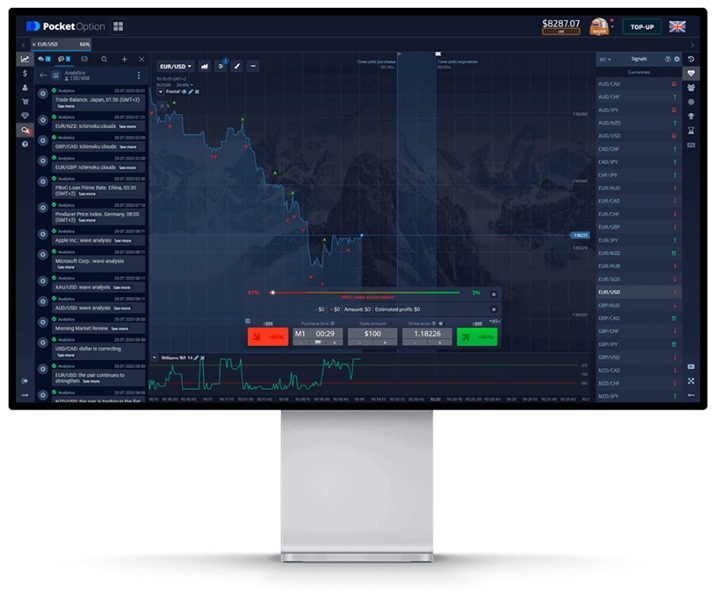
Many traders enhance their SMA Trading Strategy by incorporating other technical indicators, such as Relative Strength Index (RSI) or Moving Average Convergence Divergence (MACD). This multi-faceted approach can provide stronger signals and reduce false positives.
SMA Crossover Strategy
One of the most popular methods of using the SMA involves watching for crossovers between two different SMAs. For example, when a short-term SMA (such as a 20-day) crosses above a long-term SMA (such as a 50-day), it indicates a potential buy signal. Conversely, a crossover below can be a sell signal.
This strategy leverages the strengths of both short-term and long-term trends, ensuring traders can capitalize on momentum shifts effectively.
Risk Management
As with all trading strategies, risk management is crucial. Setting stop-loss orders can help protect your capital in the event of an adverse price movement. Additionally, traders should never risk more than a small percentage of their trading capital on a single trade.
Common Mistakes to Avoid
When implementing the SMA Trading Strategy, keep these common pitfalls in mind:
- Ignoring Market Conditions: Understand that the SMA is a lagging indicator and may not work well in choppy or non-trending markets.
- Overtrading: Avoid entering too many trades based on short-term signals. Stick to your trading plan and remain disciplined.
- Neglecting Other Analysis: Relying solely on the SMA can lead to missed opportunities. Incorporate fundamental analysis and other indicators for a more rounded view.
Conclusion
The SMA Trading Strategy is a powerful tool for traders looking to develop a systematic approach to analyzing price movements. By understanding how to implement and interpret the SMA, traders can enhance their chances of success in the markets. Remember to combine it with effective risk management and other tools for the best results. With practice and patience, the SMA can become a valuable part of your trading arsenal.